


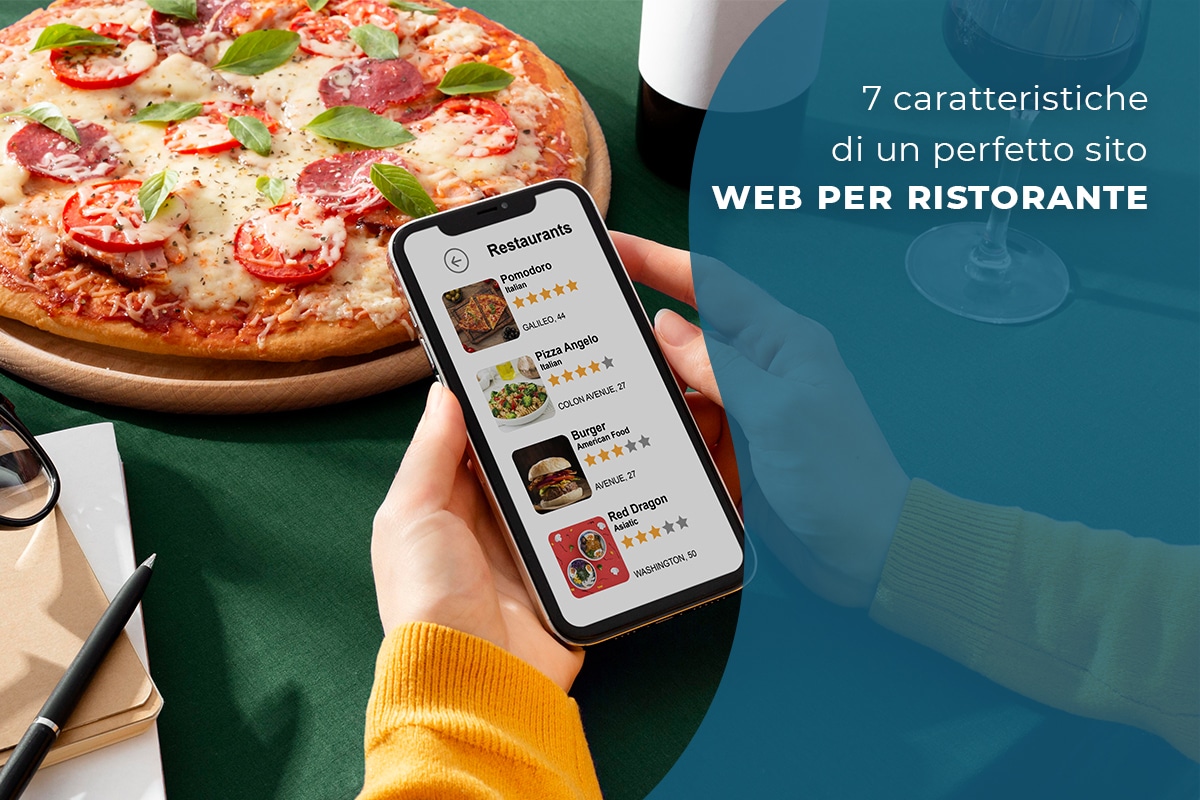
7 Features of a Perfect Restaurant Website in 2025
These days, restaurants have two locations: their actual location and online website. Consumers look for restaurants online by checking a website first, and people who visit the website end up dining in the restaurant.
To be successful in online visibility, you need to stand out from the crowd. The best restaurant websites are made to match the restaurant’s brand and give guests a great experience that makes them want to buy something.
But how do you make a website great? Every food website needs seven things to be successful. Let us discuss them in detail and unravel the secret.
Features of a Restaurant Website – Increase Visibility and Brand Trust
A good restaurant website sets the mood, shows the menu, takes orders, handles payments, anticipates problems, and makes customers feel like they are essential. Basically, it’s the online front desk of a restaurant. Here are seven things you can do to make your online front desk as good as your old one.
Clearly Mention The Address, Contact Number, and Hours
Your address, phone number, and business hours should be easy to find on your home page. You want your guests to be able to find you quickly, so don’t make them click around on different pages. Also, if your restaurant has more than one location, you should name them all. Putting correct key information on the site can help it rank in Google search results and make it easier for people to use.
Your details on Google My Business should also be correct. Many times, a potential customer will find your website on Google first. Make sure that your listing is correct and up to date, with accurate information about your hours, locations, and how to place an order.
Highlight Your Menu Items
The menu is the first thing that 93% of people do when they are deciding where to eat. You should put your plans on your website, of course. You can make it easier for your guests to get to, though, by doing it in a certain way.
People who visit your website, usually on their phones, want to quickly and easily see what’s available. You should put your menus on a page that is easy to find and share. This page should be on both the home page of your website and in Google results. And make sure it’s not a PDF or picture; HTML makes it easy to find.
Online Reservation Management System
About 82% of customers would instead book their table through a restaurant’s website. That’s good news for you, but once people get to your site, you need to make it easy for them to book.
You can use technology like online reservation software to connect your website with other systems and show off your menu. You can also direct users to important information they may need. A big “Reserve Your Seat” button on the homepage of many Italian restaurants has helped them get more reservations. The button takes people to the restaurants’ own online reservation page.
Also, don’t forget the basics that will always be useful, like adding photos to your menu to help sell more goods and give it more context. Writing great menu descriptions is very important for restaurants with a long menu or foods that some of their customers may not have tried before.
Direct Links of Social Media Presence
It’s essential for your marketing that people have the same experience with your company everywhere, on your website, in person, via email, and on social media. You should also make it simple for your guests to stay in touch with you. A straightforward way to do this is to link your social media accounts to your website.
Everywhere you post on social media, stay true to your company, menu, and culture. As a whole, your social media plan should make sense. But you can also tweak the posts so that they fit the platform. Keep Instagram visual by posting pretty pictures or behind-the-scenes looks. On Facebook, you can share news and make and promote events.
People are still using Facebook to find new restaurants, whether they are doing their own studies or getting suggestions from friends. They can also find new restaurants through Facebook ads. This means that you should keep your Facebook business page up-to-date by adding any relevant information and sharing content, pictures, and updates on a regular basis.
Offer Good Loyalty Programs
Having loyalty programs is a great way to turn occasional guests into regulars. Along with gift cards and online shopping, make sure that the sign-up for the loyalty program is right in the middle of your website.
You can make your reward program fit your idea perfectly. You could give them a prize after they eat 10 burritos or come 10 times. People who use Toast Loyalty will automatically earn points whether they eat in-store or online. This is easy to do when a guest’s credit card is linked to their loyalty account.
You can also mix loyalty and email. For example, you can use the information you get from your customers’ loyalty analytics to send targeted emails to people who are almost at their reward level. People will be happy to buy from you again and again if you have a good loyalty program. They can use their points to get a deal the next time they come in. After that, you can keep targeting them with targeted emails that offer discounts, gift cards, and more reward points for returning visitors.
Have Email Sign-up Forms
You can keep people coming back by using email marketing to build relationships with them. Signing up customers for loyalty programs is a great way to get their emails, but it’s not the only way.
Sign-up forms should be available everywhere a customer interacts with your business, like when they make an appointment, on the bill or the comment card they are given after the meal, on your social media pages, and most importantly, on your website.
You can automatically grow your email list when new guests place orders for takeout or delivery or when they eat in-store and opt to sign up for your loyalty program. This technology makes it easier for your guests to interact with you.
Tell Your Brand’s Story
This is an excellent way for people to find out more about your service and what it stands for. Your website is a great spot to show off the background and personality of your restaurant. Are you buying food from farms in your area? Is the business in your mother’s name? Put a part on your website called “About Us” or “Our Story” where you can talk about it.
Why Do You Need SEO For Your Restaurant Website?
With SEO, you can make it more likely that your restaurant’s website will show up in search results, maybe even on the first page. This will make your business more visible to people who are looking for it online! Local SEO is essential for restaurant websites. One way to do this is to register your company on Google My Business. A person searching for “Neapolitan pizzeria south Rome” is more likely to find your business this way.
Why do you need a website for your restaurant business?
Your restaurant’s website is the best way to show off your business on the Internet. It is also a separate sales channel that doesn’t have to pay the fees that the most significant online booking sites do.
How much does it cost to build a restaurant website?
There is a wide range of prices for restaurant websites based on the style and technical features you choose. On average, a good website for a restaurant can cost anywhere from €900 to €3000 or €4000. This doesn’t include e-commerce, which usually costs even more.
What makes a restaurant website good?
The best restaurant websites work well on mobile devices and make it simple for customers to find what they need. The restaurant’s address, phone number, and appointment form should be on the home page or only a click away.